+61 (0)458 788 052

BMT logo with yin-yang and circuits Description: ABMMA graphic showcases tech-inspired yin-yang, emphasising bioelectric meridian therapy services. Alt text: Teal yin-yang logo with circuit lines next to “ABMMA” and “Academy of Bioelectric Meridian Massage Australia” on white.
  • Home
  • Bioelectric Therapy
    • What is BMT?
    • Why learn BMT
      • General Health
      • Women’s Health
      • Children’s Health
      • Men’s Health
      • Functional Movement
      • Gut Health
      • Face Health
  • Courses
    • Browse Courses
      • BMT@Home
      • Level 1 – Introduction to BMT
      • Level 2 – Lower Extremities BMT
      • Level 2 – Upper Extremities BMT
      • Level 2 – Gut and Brain Health BMT
      • BMT for RMT
      • BMT for Pelvic Health
      • BMT for Face Health
      • DermoNeuroModulating and BMT for Lower Back, Hips and Pelvis
      • Neuro-Bioelectrotherapy
      • Pain Neuroscience
      • Fundamentals of TCM
    • Upcoming Courses
    • Learning Pathways
  • Resources
    • Articles
    • Read Newsletter
  • About Us
    • About ABMMA
    • Our team
    • Find a practitioner
    • Partner with us
    • Student stories
    • FAQs
  • Shop
  • UNI-P.R.O. Active
  • Clinics
  • Contact
Product has been added to your cart.
7 years ago

BMT and Pelvic Floor Dysfunction
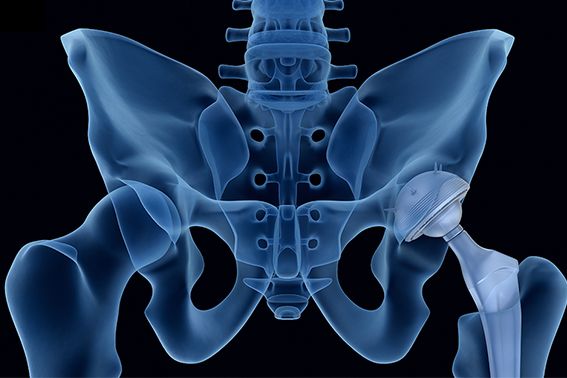
Radiograph of Hip Replacement with Pelvic Considerations Alt text: X-ray shows right hip prosthesis and pelvic alignment; BMT may aid muscle balance post-surgery. Description: Image of pelvis with right-side hip implant, suggesting BMT for support in pelvic floor dysfunction recovery.

There’s an unexplainable joy every woman experiences from bringing life into the world. However, the 33 to 40 weeks of carrying a baby has its effect on the body. There’s extreme back pain, weight gain, night sweat and, of course, pelvic floor dysfunction.

What’s the pelvic floor?

The pelvic floor consists of different layers of muscles that come together to aid the organs at the pelvic area, which are the bowel, uterus, rectum, and the bladder. The muscles located at the pelvic floor can be found from the pubic area to the side of the bones that aid sitting down and then to the tail bone.

Many people don’t understand that the muscles of the pelvic floor aid the weight of the body.

What’s the purpose of the pelvic floor?

The pelvic floor has muscles that have similar function to the skeletal tissue and the muscles located at the quadriceps and bicep; by this, I mean the muscles can relax and contract when you want them to do so.

These muscles have 3 basic layers that determine their function.

The supportive layer: The pelvic floor provides support to the pelvic organs such as the uterus, bladder, and bowels. It supports the organs by making sure it’s in the right position. It also aids the proper functioning of the back muscles, the hip, and the abdomen.

The sexual layer: This part aids sexual activities, such as erection, orgasm, and it allows penetration.

The sphincter layer: The muscle here aids the closing of the tube that moves urine from the bladder out of the body. It allows the muscles found at the urethra and anus to contract when you jump, sneeze and laugh so there’s no leakage. It relaxes when you need to have a bowel movement.

Pelvic Floor dysfunction

Pelvic floor dysfunction happens when the muscles located on the pelvic floor become weak. Pregnancy and delivery can stretch (or overstretch) the muscles located at the pelvic that keep the bladder closed.

If you’re experiencing pelvic floor dysfunction, you may experience anal incontinence, urinary incontinence, and pelvic organ prolapse.

This means you experience leaks from your bladder or anus whenever you pee, cough, jump, lift heavy objects, and exercise. It also causes pain during sex.

Traditional Chinese Medicine (TCM) theories for pelvic floor dysfunction

There are two theories to explain this:

  1. TCM believes that the root of pelvic pain dysfunction, just like other kinds of pain, is stuck energy. Energy is meant to flow and not get stagnant. Just as stagnant water isn’t healthy, stagnant energy isn’t healthy too.

For proper pelvic floor functioning, the energy in the pelvic floor needs to flow again

  1. According to Traditional Chinese Medicine (TCM), the body is meant to be balanced. Activities such as eating, exercising, resting, and sleeping help the body to retain balance by saving energy. Let’s just say these activities credit your energy account.

However, activities such as pregnancy and childbirth take a toll on the body and dig deep into your energy account. All your energy is spent, and you’re in debt. This means the body is out of balance.

How TCM treats pelvic floor dysfunction

TCM uses acupuncture to treat pelvic floor dysfunction. Acupuncture is a pillar in Chinese medicine, and it has been used to treat pelvic floor dysfunction and pelvic pain.

Before using acupuncture, visit a doctor or certified acupuncturist to determine if what you’re feeling is pelvic floor dysfunction. Once this is determined, the acupuncturist determines the best diet, herbs, and acupuncture points to treat pelvic pain dysfunction.

Acupuncture is reliable, and it has helped people in previous decades and centuries. Try acupuncture for pelvic pain dysfunction, and you’ll be glad you did.

 

Categories

  • – All
  • Athlete Performance & Recovery
  • BMT – Researchs and Trials
  • BMT science
  • Case Studies
  • Children's Health
  • Functional Movement
  • General Health
  • Gut & Brain Health
  • Men's Health
  • Uncategorised
  • Women's Health

Recent Posts

  • A Child’s Burn Recovery Journey: What One Family’s Experience Teaches Us About Supporting the Body’s Natural Healing
  • Could You Delay a Knee Replacement? What the Latest Research Reveals
  • The Growing Scientific Foundation Behind ABMMA Bioelectric Meridian Therapy
  • Rethinking Sports Recovery: Supporting the Body from Injury to Performance
  • Finding Hope in Small Moments: How Bioelectric Meridian Therapy Supports People Living With Parkinson’s
  • Listening to the Body During Recovery: Shoulder Pain and Gentle Electrical Support
  • Understanding Pain: What Science Reveals and How We Can Support Recovery More Gently
  • My Journey and Experience with ABMMA- Bioelectric Meridian Therapy (BMT): A Researcher’s Perspective
  • Exploring Electrical Stimulation (ES) in Modern Healthcare And Where Bioelectric Meridian Therapy Fits In
  • Faster Wound Healing Using Hydrogel and Bioelectric Meridian Therapy (BMT): A Real Case Highlight
BMT Level 1&2 Bundle Deal

BACK TO ALL ARTICLES

  • Bioelectric Therapy
    • What is BMT?
    • Why learn BMT
    • General Health
    • Women’s Health
    • Children’s Health
    • Men’s Health
    • Functional Movement
    • Gut Health
    • Face Health
  • Courses
    • Browse Courses
    • Upcoming Courses
    • Learning Pathways
    • BMT@Home
    • Level 1 – BMT
    • Level 2 – BMT
    • Specialisation Units
  • About Us
    • About ABMMA
    • Our Team
    • Our Clinics
    • Find a Practitioner
    • Partner with us
    • Students stories
    • FAQs
    • Articles
    • Read Newsletter

CONTACT US

info@abmma.com.au
PO Box 463 Noosaville QLD 4566
+61 458 788 052

Facebook
Instagram

© 2023 Academy of Bioelectric Meridian Massage Australia.

Website built by 123create, refresh katre creative | Words by Alison Jane

Privacy Policy   |   Terms and Conditions   |  Returns of Goods and Warranty Policy  |  Disclaimer  |  Unsubscribe from Newsletter