Could You Delay a Knee Replacement? What the Latest Research Reveals
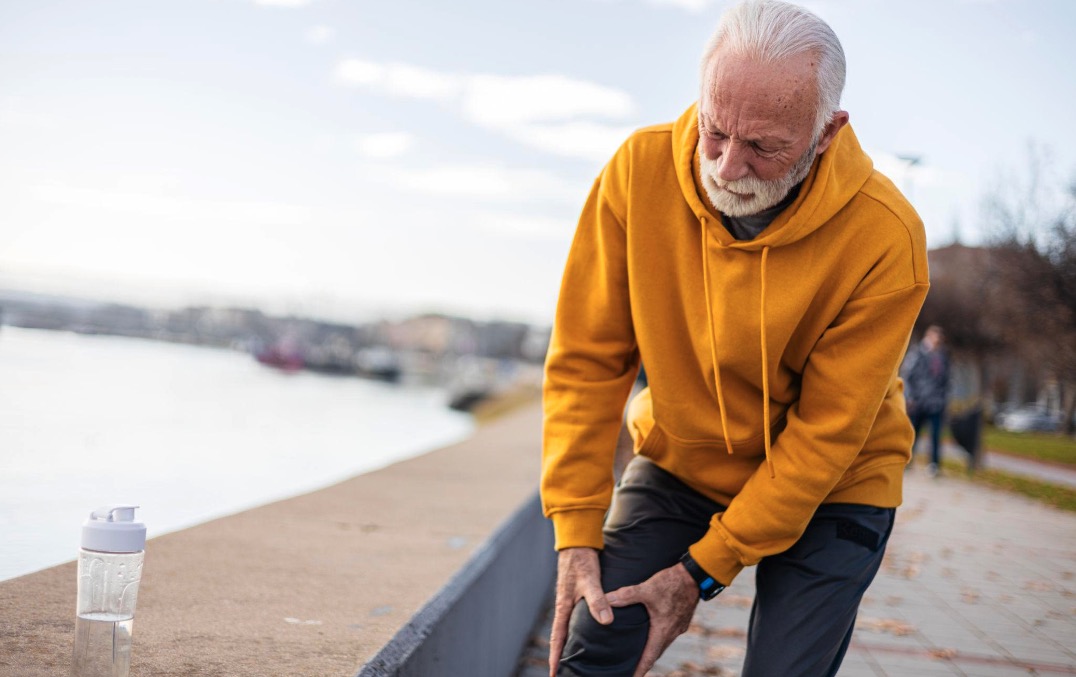
For many people living with knee osteoarthritis, there comes a moment when the question arises:
“Am I heading towards a knee replacement?”
What starts as occasional stiffness can gradually affect everyday life. Walking becomes more difficult. Stairs require extra effort. Activities that once brought enjoyment: gardening, travelling, exercising, or playing with grandchildren, may no longer feel as easy.
It’s a common concern. Knee osteoarthritis is one of Australia’s leading causes of pain and mobility limitations, and knee replacement surgeries continue to increase each year.
But surgery isn’t always the next step.
Research increasingly shows that many people may benefit from exercise, education, weight management, and other conservative approaches that can help manage symptoms, improve function, and potentially delay surgery.
The important message is simple: there are often more options available than people realise.
Knee Osteoarthritis Affects More Than the Joint
Osteoarthritis doesn’t just affect the knee.
It can affect confidence, independence, social activities, work, and overall quality of life.
Many people gradually become less active because movement feels uncomfortable or unpredictable. Over time, this can lead to weaker muscles, reduced mobility, and greater difficulty with everyday tasks.
Modern osteoarthritis care focuses not only on the joint itself but also on helping people stay active, maintain strength, and continue participating in the activities that matter to them.
Is Surgery Always Necessary?
For some people, knee replacement surgery can be life-changing.
However, surgery is a major procedure that involves recovery, rehabilitation, and ongoing commitment.
This is why Australian and international guidelines recommend non-surgical management as the first-line care for most people with knee osteoarthritis.
This may include:
- Exercise therapy
- Education and self-management
- Physical activity
- Healthy weight management
- Lifestyle modifications
These strategies form the foundation of effective osteoarthritis care.
What the Research Shows
An Australian study examined the impact of implementing a national first-line management program for people with moderate-to-severe knee osteoarthritis. The findings were significant.
Researchers estimated that around 56,000 Australians were likely candidates for knee replacement surgery in 2019, with that number expected to rise to more than 69,000 by 2029.
The study also found that structured programs involving exercise, education, and lifestyle support could help 34% to 68% of participants avoid or delay surgery.
This could potentially save the Australian healthcare system between AUD $303 million and AUD $690 million annually.
Beyond the financial impact, the findings highlight something even more important: delaying surgery may allow people to maintain mobility, independence, and participation in everyday life for longer.
The Importance of Movement
One of the strongest messages from osteoarthritis research is that movement matters. While resting may seem like the obvious response to pain, prolonged inactivity can contribute to muscle weakness, stiffness, and reduced function.
Appropriate exercise can help:
- Improve strength
- Support joint stability
- Maintain mobility
- Improve balance
- Reduce stiffness
- Support overall wellbeing
Importantly, exercise doesn’t need to be intense. Walking, swimming, cycling, stretching, and strength exercises can all play a valuable role when suited to an individual’s needs.
The goal isn’t perfection.
The goal is to keep moving.
When Staying Active Feels Difficult
Of course, staying active isn’t always easy when a knee is painful or stiff.
Many people benefit from a combination of approaches rather than relying on a single treatment.
Exercise, lifestyle changes, medical guidance, and supportive therapies can work together to help people stay engaged in their recovery.
At ABMMA, Bioelectric Meridian Therapy (BMT) is used as a supportive therapy alongside broader management strategies. It is not intended to cure osteoarthritis or replace exercise, rehabilitation, or medical care. Rather, it may assist some individuals in feeling more comfortable and confident as they continue with movement and self-management strategies.
Similarly, the ABMMA UNI-P.R.O. ACTIVE is designed to support self-care between appointments, encouraging people to remain actively involved in their wellbeing journey. Because when it comes to osteoarthritis management, consistency often matters more than intensity.
Real-Life Perspective: Regaining Confidence One Step at a Time
For many people, the hardest part of knee osteoarthritis isn’t just the pain, it’s what the pain takes away.
Mrs Tan had lived with osteoarthritis for years. As walking became more painful and her gait less stable, she experienced repeated falls and gradually lost confidence in her mobility. She began limiting her activities, spent more time at home, and avoided going out whenever possible.
Her goal wasn’t to run a marathon. It was simply to walk with greater ease and feel confident enough to enjoy everyday life again.
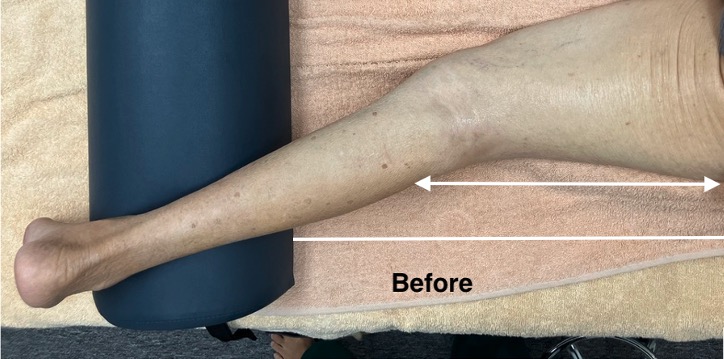
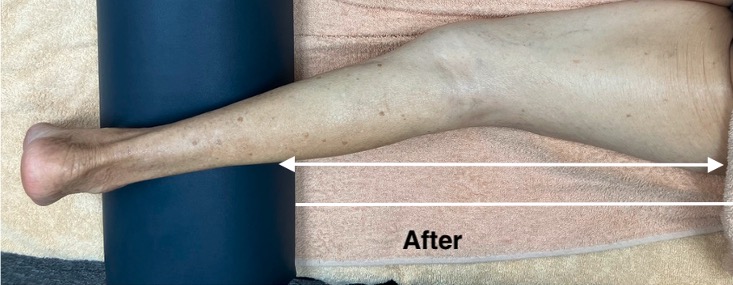
As part of her broader care journey, Mrs Tan received Bioelectric Meridian Therapy (BMT) alongside efforts to improve her movement and overall function. Following treatment, she reported reduced discomfort and found walking easier, with noticeable improvements in her posture and leg alignment. For her, these changes brought renewed optimism and the confidence to keep moving.
Every person’s experience with osteoarthritis is different, and individual outcomes will vary. Stories like Mrs Tan’s are not evidence that one therapy works for everyone, but they do highlight an important message: even small improvements in comfort, confidence, and mobility can have a meaningful impact on quality of life.
Small Steps Can Make a Meaningful Difference
One of the most encouraging aspects of osteoarthritis management is that progress often comes from small, sustainable changes.
A little more movement.
A little more strength.
A little more confidence.
Over time, these small gains can lead to meaningful improvements in mobility, function, and quality of life.
This philosophy sits at the heart of many modern approaches to osteoarthritis care, including the work of practitioners trained through ABMMA. Rather than searching for a single solution, the focus is often on helping people build sustainable habits, stay engaged in movement, and take an active role in their long-term wellbeing.
Because lasting change rarely happens all at once. More often, it comes from small steps taken consistently over time.
Looking Beyond the Diagnosis
A diagnosis of knee osteoarthritis does not automatically mean surgery is around the corner. For many people, there may be opportunities to improve mobility, maintain independence, and continue doing the things they enjoy through movement, education, lifestyle changes, and supportive care.
For some, knee replacement surgery will eventually be the right choice. For others, conservative management may help them stay active and independent for longer than they expected.
What matters most is knowing that there are options.
At ABMMA, this person-centred approach remains central to how practitioners support individuals living with musculoskeletal conditions. The focus is not simply on managing symptoms, but on helping people maintain confidence in movement, stay connected to the activities they value, and remain actively involved in their own wellbeing journey.
Because living well with osteoarthritis isn’t simply about delaying surgery.
It’s about maintaining confidence, preserving independence, and continuing to participate in the moments that make life meaningful.
References:
- Ackerman, I. N., Skou, S. T., Roos, E. M., Barton, C. J., Kemp, J. L., Crossley, K. M., Liew, D., & Ademi, Z. (2021). Implementing a national first-line management program for moderate-severe knee osteoarthritis in Australia: A budget impact analysis focusing on knee replacement avoidance. Osteoarthritis and Cartilage Open, 3(1), 100070. https://doi.org/10.1016/j.ocarto.2020.100070
- Mallari, P., Gupta, A., Taulier, T., & Kamal, M. A. (2025). Complementary role of electro-acupuncture and ABMMA-bioelectric meridian therapy in anxiety management. https://www.confmeets.com/journals/jppc/articles/jppc-25-9013-1.pdf
- Mallari, P., Taulier, T., & Kamal, M. A. (2025). A Comprehensive Mini-Review on the Understanding of Electrotherapy for Pain Management: An Introduction to ABMMA-BMT. Current Pharmaceutical Biotechnology.
- Mallari P, Taulier T, Kamal MA. Recovery From Long COVID: The Role of Bioelectric Meridian Therapy in Restoring Health and Well-Being. Cureus. 2024 Dec 23;16(12).
- Praveen, Mallari & Gupta, Aakarshi & Taulier, Tracy & Kamal, Mohammad. (2025). Introducing ABMMA bioelectric meridian therapy (BMT): A holistic path to wellness. Global Journal of Basic Science. 1. 1-5. 10.63454/jbs20000047.
- Gupta, A., Mallari, P., Taulier, T., & Kamal, M. A. (2025). Electrical stimulation: Biological insights and therapeutic applications. Global Translational Medicine. https://doi.org/10.36922/gtm.7774
- Improvement in quality of life and speech: Case study of a head and neck cancer patient using manual lymphatic drainage and bioelectric massage therapy https://woundsinternational.com/journal-articles/improvement-in-quality-of-life-and-speech-case-study-of-a-head-and-neck-cancer-patient-using-manual-lymphatic-drainage-and-bioelectric-massage-therapy/
- Is manual lymphatic drainage with bio-electric massage therapy a good treatment combination for lymphoedema and lipoedema? A case study https://woundsinternational.com/journal-articles/is-manual-lymphatic-drainage-with-bio-electric-massage-therapy-a-good-treatment-combination-for-lymphoedema-and-lipoedema-a-case-study/
- Bioelectrical Meridian Therapy (BMT) is safe for the therapists and pain-free participants. https://static.wixstatic.com/ugd/3b9e62_3e3b1ee727dc4137a7bff6b39caac910.pdf
Understanding Pain: Neuroscience & Management Strategies https://pdflink.to/b9763b50/