The importance of functional movement as you age
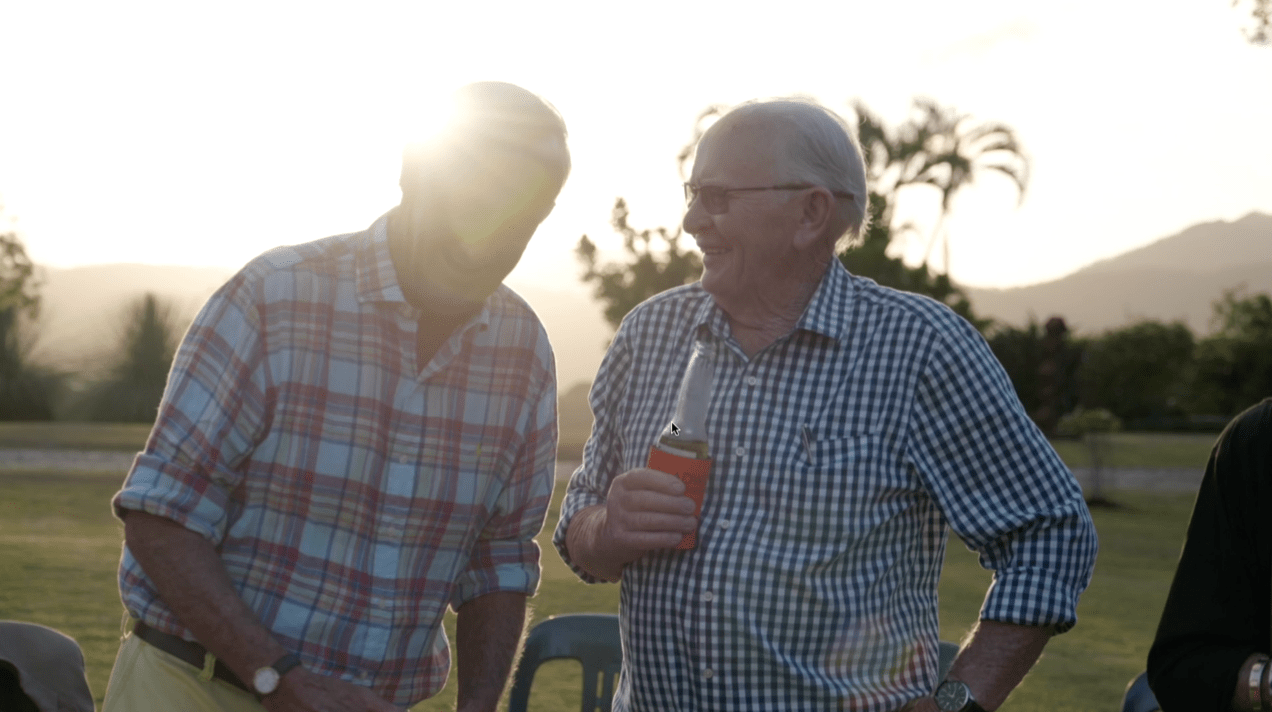
“You need to learn to live with the discomfort and pain, you’re not as young as you once were.”
Does this sound familiar to you? It is alarming how often we are given medical advice like this when seeking out professional help for our various bodily pains in life.
For ABMMA Principal & Founder, Tracy Taulier, this is a regular excuse her elderly clients are told by their medical specialists. “It is a cruel statement, and not a statement any medical professional should be telling their clients”, she says. “Age is just a number!”
Over the average human life cycle, the body undergoes numerous changes. These changes can sometimes impact the ability to perform everyday tasks and participate in physical activities, which is why staying active is so crucial to maintaining physical and mental health.There are countless studies that prove the important health benefits associated with exercise, and this only becomes more important as we age and need help maintaining independence.
So, just how important is it to stay active? Let’s outline several benefits of exercise for seniors and aging adults.
The health benefits of exercise for seniors
1. Disease prevention
Studies have shown maintenance of physical activity can help prevent many common diseases, such as heart disease or diabetes. Exercise improves overall immune function, which is important for seniors as they often have compromised immune systems. Even light exercise such as walking can be a powerful tool for preventable disease management.
2. Mental health improvement
The mental health benefits of exercise are nearly endless. Exercise produces endorphins (the ‘feel good’ hormone), which act as a stress reliever to leave you feeling happy and satisfied. Additionally, exercise has been linked to improving sleep, which is especially important for older adults who often suffer from insomnia and disrupted sleep patterns.
3. Decreased risk of falls
Older adults are at a higher risk of falls, which can prove to be potentially disastrous for maintaining independence. Exercise improves strength and flexibility, which in turn help to improve balance and coordination, reducing the risk of a fall. Seniors take much longer to recover from falls, so anything that helps to avoid having one is critical.
4. Increased social engagement
Exercise doesn’t have to be daunting, and can actually be turned into a fun social event. Whether this is joining a walking group, attending a group fitness class, or visiting a gardening club, these are all great forms of exercise within a social environment. Maintaining strong social ties is important for ageing adults to feel a sense of purpose, while avoiding feelings of loneliness or depression. Above all, the key is to find a form of exercise that brings enjoyment, and it will never feel like a chore!
5. Cognitive function improvement
Regular physical activity and fine-tuned motor skills benefit cognitive function. Countless studies suggest a lower risk of dementia for physically active individuals, regardless of when an exercise routine was begun.
Anthony’s journey with Bioelectric Meridian Therapy
Anthony came to ABMMA after 2 total knee replacements that resulted in peripheral neuropathy (the loss of sensation in his feet), impaired walking gait and feeling wobbly when walking.
Anthony loves maintaining his garden and playing golf, sources of physical activity that could not be kept up with a loss of stability. As a result, his social life was affected and he began to feel lonely and isolated.
Turning to ABMMA, Anthony hoped to achieve total independence again. Instead of constantly trying to keep up with his wife, he wanted to walk comfortably next to her. He wanted to return to the golf course with his friends, and tend to his garden once again.
Therapy with ABMMA using the ABMMA PRO BMT Device enabled Anthony to return to his normal life. Watch Anthony’s journey with BMT and how he regained his independence:
Learn more about Bioelectric Meridian Therapy and the numerous therapeutic and relaxing benefits it has.